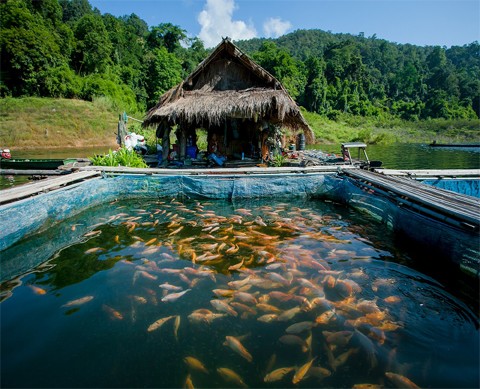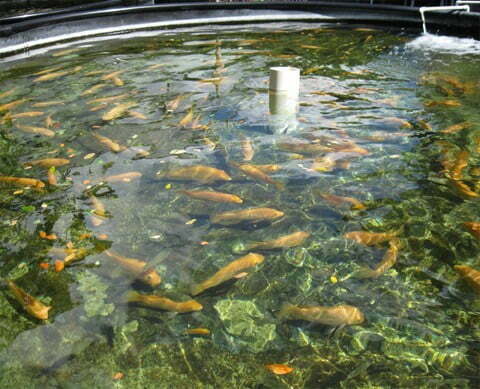
India is a unique opportunity for trout farming
Analysis of growth potential and operational challenges
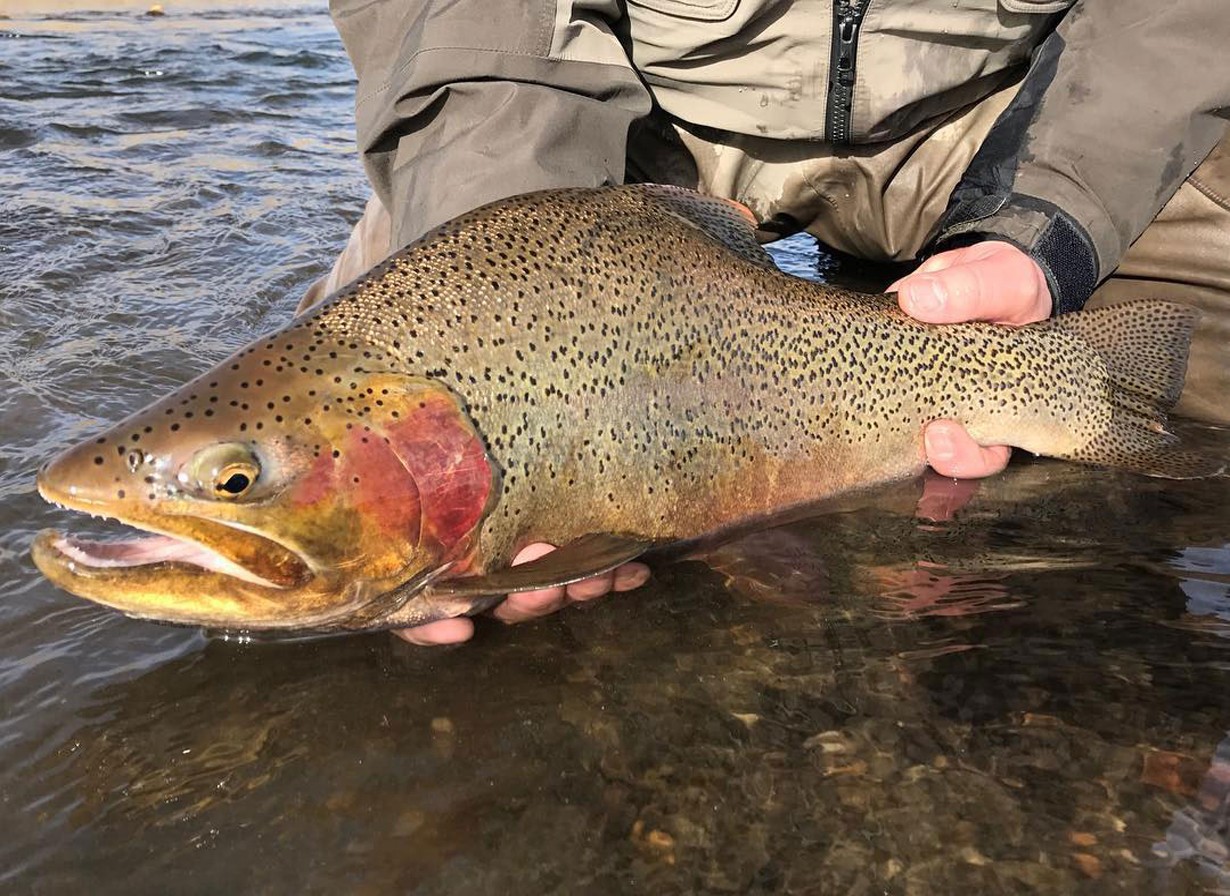
The rainbow (Oncorhynchus mykiss) is a fish species native to North America, North Asia, and Europe. It was introduced into Indian waters during the colonial rule over the Himalayas and peninsular regions in the mid-18th century, where adequate and adequate amounts of cold water are available, supplied by the country’s high mountain ranges, unique mountain ranges. Is performed. And the Southern Peninsula region.
Many of these areas are geographically difficult, but they provide excellent, very large habitats as tributaries suitable for rivers, lakes, and trout. Places suitable for trout culture are common in Jammu and Kashmir (JK), Himachal Pradesh (HP), Uttarakhand (UK), Sikkim, Arunachal Pradesh (Ar. P), Western Ghats (TN) of Tamil Nadu, and Kerala. And, to a lesser extent, in North Bengal, Manipur, Meghalaya, and Nagaland.
Eucalyptus, Kodaikanal, and Munnar in the southern peninsula have been successful in the introduction of rainbow trout in high-grade cold waters and the species has developed self-sustaining populations in many water bodies. The annual temperature range in the region is 0 to 25 ° C, and it benefits from the southwest and northeast monsoons with an average annual rainfall of 192 cm. This entire chain, along with parts of the Western Ghats, is India’s first “biosphere reserve”.
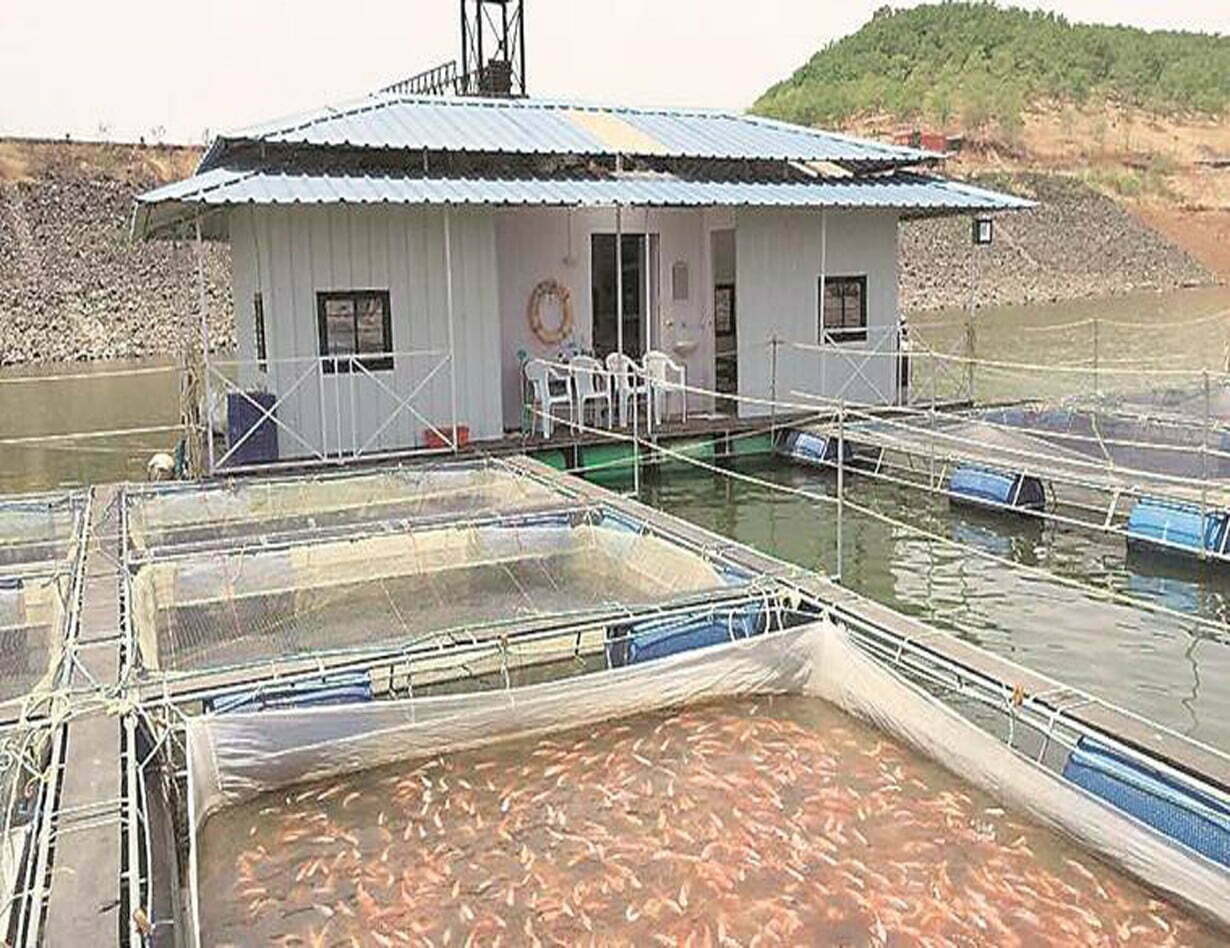
Most of the productive states take care of building sufficient capacity for the farmers. Farmers are regularly trained by their respective provincial governments, with extension workers receiving technical assistance and regular handcuffs. The hatchery operates optimally, as the personnel is trained by foreign experts. Farmers are encouraged to follow good aquaculture practices, as trout farming is very sensitive to pathogens and nutritional deficiencies.– Design By DAD
Organized efforts for the culture of exotic (introduced) fish species in the upper regions of India first began in the year 1863, with the introduction of brown trout and later rainbow trout. However, the expansion of commercial-scale aquaculture activities did not occur primarily due to infrastructure and husbandry management.
The establishment and expansion of trout culture in India were supported by various international agencies. Some of the most important include the European Union, which supported a project in Jammu and Kashmir in collaboration with Fish Farmers Development International (PDI) of Scotland and Ramble and Hahnemann of Denmark.
In addition, during 1989 in the state of Himachal Pradesh, the Government of Norway funded a project for the transfer of technology and production phase. This project set up spectacular activities in that state. And another project called Fish Health Studies under rainbow trout farming was implemented in collaboration with the National Veterinary Institute of Oslo, Norway. The project achieved major goals including technical and disease control and training and successfully revived trout culture in HP State. Farmer’s Production Conditions and Practices Globally, rainbow trout production has increased manifold since 1950, following the development of feeds fed. The main producing regions are Europe, North America, Chile, Japan, and Australia. Currently, Chile is the largest producer. Other major producing countries are Norway, France, Italy, Spain, Denmark, the USA, Germany, Iran, and the United Kingdom. Global rainbow trout production currently exceeds 900,000 metric tons.
Improve your business Growth:
In the global scenario, Indian production of trout is negligible, which adds up to only a few hundred tons in annual world presentations. Only two states, Jammu and Kashmir and Himachal Pradesh are worth mentioning and contributing 250 to 300 metric tons and 100 metric tons respectively. Sikkim is the next upcoming state where mass production is expected to develop. There is no private participation in the development of infrastructure for trout farming in India. Only Jammu and Kashmir state and Himachal Pradesh have the infrastructure for seed stock and food production, and only in the government sector. Other productive states operate at minimum levels.
- Market And Trade
- Key Industry Issues and Attitudes
- Employment Opportunities
- The Way Forward